If you are thinking about living in Cupertino, you are probably weighing more than a zip code. You want to know what daily life actually feels like, from the commute and housing mix to parks, errands, and how the city fits into a busy Silicon Valley routine. The good news is that Cupertino offers a practical blend of residential comfort, strong access to major job centers, and everyday convenience. Let’s dive in.
Cupertino at a Glance
Cupertino is best understood as a work-and-home city with a strong tech identity. The city’s official profile highlights Apple Inc., the Civic Center, the county library, and a steady calendar of community events.
That shapes the feel of everyday life. Instead of centering on nightlife, Cupertino tends to revolve around daily routines like commuting, school-year schedules, park visits, errands, dining out, and community gatherings.
Tech Presence Shapes Daily Life
Apple Park and the Apple Park Visitor Center reinforce Cupertino’s role as a visible tech hub. Even if you do not work in tech, that presence influences traffic patterns, retail activity, and the city’s overall rhythm.
In practical terms, Cupertino often feels organized around daytime movement and residential living. Many people choose it for access to Silicon Valley employment centers while still enjoying a quieter home base.
Getting Around Cupertino
Transportation in Cupertino is built around a mix of freeways, expressways, local arterials, sidewalks, trails, bike lanes, and transit stops. Most daily trips are shaped by Interstate 280, State Route 85, Lawrence Expressway, Foothill Expressway, Stevens Creek Boulevard, Homestead Road, De Anza Boulevard, and Wolfe Road.
For many residents, that means driving remains a major part of life. At the same time, Cupertino is not exclusively car-dependent, especially if you want flexible options for commuting or local errands.
Car Travel Is a Big Part of Routine
If you live in Cupertino, your schedule will likely be influenced by major road corridors. Freeway and arterial access can make it easier to move around the South Bay, but traffic timing matters.
That is one reason buyers often look beyond the home itself. Your daily route to work, shopping, parks, and nearby cities can shape how convenient a property feels over time.
Transit and Alternative Options
Cupertino supports bus stops, sidewalks, trails, and bike lanes as part of its transportation network. VTA buses serve the city, and Rapid 523 is planned to run every 20 minutes on weekdays from 5:30 a.m. to 11:00 p.m. under VTA’s 2026 service plan.
The city also offers SV Hopper, an on-demand ride service that connects riders to the Sunnyvale, Mountain View, and Santa Clara Caltrain stations. If you want to reduce some driving, those options can add flexibility to your routine.
Housing in Cupertino
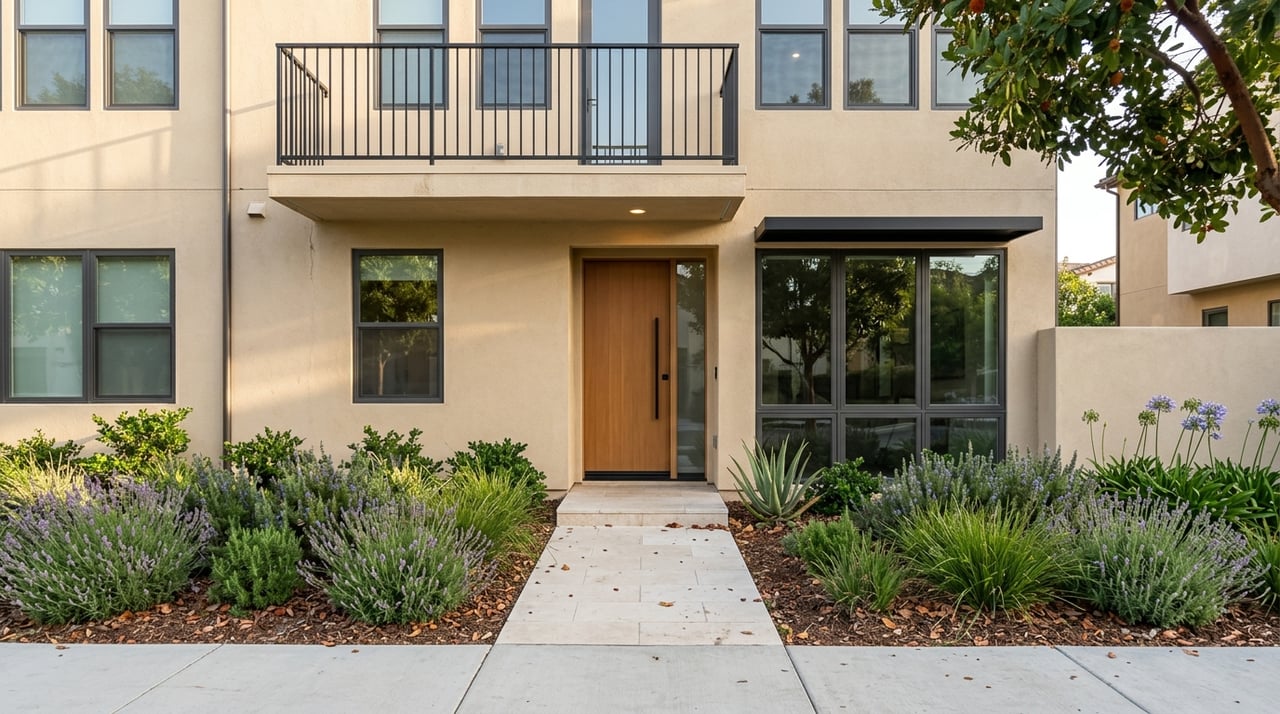
Cupertino’s housing pattern is still centered on detached homes. City planning rules preserve many low-density residential areas, and some neighborhoods have additional protections tied to single-story, Eichler, or semi-rural character.
That means if you picture classic single-family living, Cupertino often matches that expectation. It also means attached housing tends to be more limited and concentrated in certain redevelopment areas.
Detached Homes Lead the Market
Single-family homes are the default residential format across much of Cupertino. For buyers, that can make the city appealing if you want more traditional neighborhood patterns and a residential setting that prioritizes lower-density housing.
From a long-term planning perspective, understanding that structure matters. It affects not only what inventory you may find, but also how different parts of the city may evolve over time.
Townhomes and Condos Tend to Be Corridor-Based
When newer attached housing appears in Cupertino, it is often tied to corridor redevelopment. Recent examples along Stevens Creek include townhome condominium projects and mixed-use proposals that combine for-sale housing, apartments, and retail.
If you are open to a townhouse or condo-style option, you may want to focus your search on these main commercial corridors. That can offer a different lifestyle, with closer access to shopping and dining.
Parks and Outdoor Time
Outdoor living plays a big role in Cupertino’s daily routine. The city maintains 19 parks and open-space sites, giving residents a wide range of places to walk, relax, play, or spend time with family and friends.
For many people, this is one of the city’s biggest lifestyle strengths. You get access to Silicon Valley job centers while still having parks and trails built into normal weeknight and weekend life.
Memorial Park Anchors Community Life
Memorial Park is described by the city as its largest and most-used park. The 22-acre site includes a picnic lawn, gazebo, amphitheater, lit softball field, and lit tennis courts.
That mix makes it more than just green space. It is a practical gathering place for recreation, events, and casual outdoor time.
Nature and Recreation Options
If you want a more nature-focused setting, McClellan Ranch Preserve offers trails, an Environmental Education Center, and the Baer Blacksmith Shop on an 18-acre former horse ranch. Blackberry Farm adds pools, picnic areas, golf, and trail access.
Together, these spaces show the range of outdoor options in Cupertino. You can go from a community park atmosphere to a quieter preserve experience without leaving the city.
Errands, Dining, and Daily Convenience
Cupertino’s commercial activity is concentrated in several major centers. The city identifies Homestead Square, Main Street Cupertino, the Crossroads, the Marketplace, De Anza Shopping Center, and Cupertino Village as key shopping and dining areas.
That gives daily life a clear pattern. Instead of one dominant downtown core, errands and meals are often spread across a handful of established commercial districts.
Where Daily Errands Happen
For many residents, convenience comes from knowing which center fits which need. Whether you are picking up groceries, meeting someone for coffee, or handling a few household errands, these commercial clusters help organize day-to-day routines.
This layout can be especially useful if you want a neighborhood that feels residential while still keeping necessities close by. In real estate terms, proximity to these corridors can shape how a home functions for everyday living.
Cupertino’s Dining Scene
The city’s visitor guide presents Cupertino as a place for international dining, shopping, public art, and nearby wineries. Cupertino Village is specifically noted in the city budget as a retail and dining cluster with many Asian restaurants, bakeries, and shops.
That gives the city a practical and varied food scene. You may not move to Cupertino for nightlife, but you can expect strong everyday dining options across key retail areas.
Community and Culture
Cupertino also supports a steady civic and cultural routine. The Cupertino Library in the Civic Center, the Arts and Culture Commission, and recurring local events all add to the city’s sense of community.
This matters because lifestyle is not only about your house and commute. It is also about whether the city offers public spaces and events that help you feel connected over time.
Local Events Add Rhythm
Recurring events include the Diwali Festival of Lights, Cherry Blossom Festival, Moon Festival, and Tournament of Bands. These gatherings help create a community calendar that extends beyond work schedules.
For residents, that can make the city feel more lived-in and connected. It adds moments of activity and tradition throughout the year.
What Living in Cupertino Feels Like
On a practical level, living in Cupertino often means balancing a residential home life with Silicon Valley access. You get a city known for major tech presence, a transportation network built around key roads, and parks and commercial centers that support day-to-day convenience.
For some buyers, that combination is exactly the goal. If you want a place where home, commute, errands, and outdoor time all fit into a steady routine, Cupertino stands out for its functionality and consistency.
Why This Matters for Your Home Search
Lifestyle fit is not just a nice extra in real estate. It is part of how you evaluate long-term value, day-to-day ease, and whether a home will still work for you a few years from now.
In Cupertino, small differences in location can shape your experience in a big way. Access to key roads, park systems, and commercial corridors can all influence how a property lives beyond the square footage.
If you are weighing a move to Cupertino or comparing it with other South Bay locations, a focused, local strategy can help you match the city’s layout and housing patterns to your goals. When you are ready to explore the right fit, connect with Atef Ibrahim for a smart, data-driven approach to your next move.
FAQs
What is everyday life like in Cupertino, California?
- Everyday life in Cupertino is centered on residential living, Silicon Valley access, parks, community events, and commercial corridors for errands and dining rather than a nightlife-driven atmosphere.
How do most people get around Cupertino?
- Most people get around Cupertino by car using Interstate 280, State Route 85, major expressways, and local arterials, though VTA buses, bike lanes, sidewalks, trails, and SV Hopper add other options.
What types of homes are common in Cupertino?
- Detached single-family homes are the most common housing type in Cupertino, while newer townhomes and condo-style projects are more often found along redevelopment corridors such as Stevens Creek.
Does Cupertino have good parks and outdoor spaces?
- Cupertino has 19 parks and open-space sites, including Memorial Park, McClellan Ranch Preserve, and Blackberry Farm, which support recreation, trails, gatherings, and outdoor activities.
Where do residents shop and dine in Cupertino?
- Residents often shop and dine in major commercial areas such as Homestead Square, Main Street Cupertino, the Crossroads, the Marketplace, De Anza Shopping Center, and Cupertino Village.
Is Cupertino a good fit if you work in Silicon Valley?
- Cupertino can be a strong fit if you want a residential setting with access to major Silicon Valley job centers, especially if commute routes, daily convenience, and outdoor amenities are important to you.