If you are preparing to sell a luxury home in Saratoga, the biggest mistake is assuming a high price point will do the work for you. In a market where buyers expect strong presentation, clean disclosures, and polished condition, the details still matter. The good news is that you do not need to over-remodel to compete well. You need a smart, disciplined plan that protects value and helps your home show at its best. Let’s dive in.
Why preparation matters in Saratoga
Saratoga remains a selective, high-end market. In April 2026, single-family homes posted a median sale price of $4.25 million, averaged 15 days on market, and sold for 103% of list price received. Zillow's Saratoga home-value estimate was $4.21 million, up 1.8% year over year.
That kind of pricing can make it tempting to think almost any well-located home will sell quickly. But the more useful takeaway is that buyers at this level notice condition, maintenance, and presentation right away. In other words, preparation still matters, but over-improving can be a costly mistake.
Start with disclosures and documents
Before you think about paint colors, staging, or landscaping, get the paperwork side in order. In California, the Transfer Disclosure Statement applies to most single-family residential sales, and any waiver is void. That means disclosure prep should begin early, not at the end of the transaction.
If your home was built before 1978, federal lead-based paint disclosure rules also apply. Sellers must provide any known records, give the required lead pamphlet, and allow a 10-day opportunity for a buyer inspection or risk assessment.
You should also gather permit history for past work and for any repairs you plan to complete before listing. Saratoga's building guidance states that owners or agents who intend to construct, enlarge, alter, repair, move, demolish, or change occupancy must first obtain the required permit. Starting this review early can help you avoid delays later.
Documents to collect early
- Transfer disclosure materials
- Records for completed repairs or improvements
- Permit history for prior work
- Contractor invoices and warranties, if available
- Lead-related records for homes built before 1978
- Fire-related compliance documentation if your property is in an affected zone
Address fire-zone issues before launch
For many Saratoga properties, especially in the western hillsides, wildfire readiness is not just a maintenance topic. It can be part of your pre-listing compliance and buyer due diligence story.
Saratoga notes that its western hillsides are part of the Wildland Urban Interface and are subject to special fire protection measures and maintenance requirements. California Civil Code 1102.19 requires documentation showing compliance with defensible-space rules for homes in high or very high fire hazard severity zones.
This is one of the clearest reasons to treat pre-listing prep as triage. If your property falls in one of these areas, you want to confirm what is required, complete the needed work, and organize the documentation before marketing begins.
What wildfire-aware prep can include
- Clearing and maintaining defensible space where required
- Making the first five feet around the home ember-resistant
- Replacing combustible mulch near the home with hardscape where appropriate
- Reducing fuel loads out to 100 feet where applicable
- Cleaning gutters and roof areas
- Reviewing vents, windows, decks, eaves, fences, and siding for risk-reduction opportunities
The County of Santa Clara notes that defensible space does not mean creating a bare yard. Landscaping can still look attractive and well-vegetated while reducing fire risk. That matters in Saratoga, where curb appeal and refined outdoor presentation still play a major role in how buyers respond.
Fix visible defects before big remodels
If you are deciding where to spend money, start with the issues buyers can see quickly. Obvious wear, deferred maintenance, damaged finishes, or tired exterior elements can create doubt and distract from your home's strengths.
Research strongly supports focusing on contained, exterior-facing improvements before taking on major renovation projects. In the 2024 Cost vs Value report, garage door replacement recouped 194%, steel entry door replacement recouped 188%, and manufactured stone veneer recouped 153%.
By contrast, a major kitchen remodel recouped 50%, an upscale bath remodel recouped 45%, and an upscale primary suite addition recouped only 24%. In a market like Saratoga, where baseline values are already very high, that gap matters. Unless a large remodel solves a clear functional problem or known buyer objection, the burden of proof is high.
Smart pre-listing repair priorities
- Repair chipped paint, worn trim, and damaged surfaces
- Replace or refresh a tired front door or garage door if needed
- Correct obvious flooring or finish defects
- Resolve visible maintenance issues that suggest deferred upkeep
- Update exterior details that improve first impressions
- Avoid full-gut projects unless they solve a specific market problem
Focus on curb appeal that feels polished
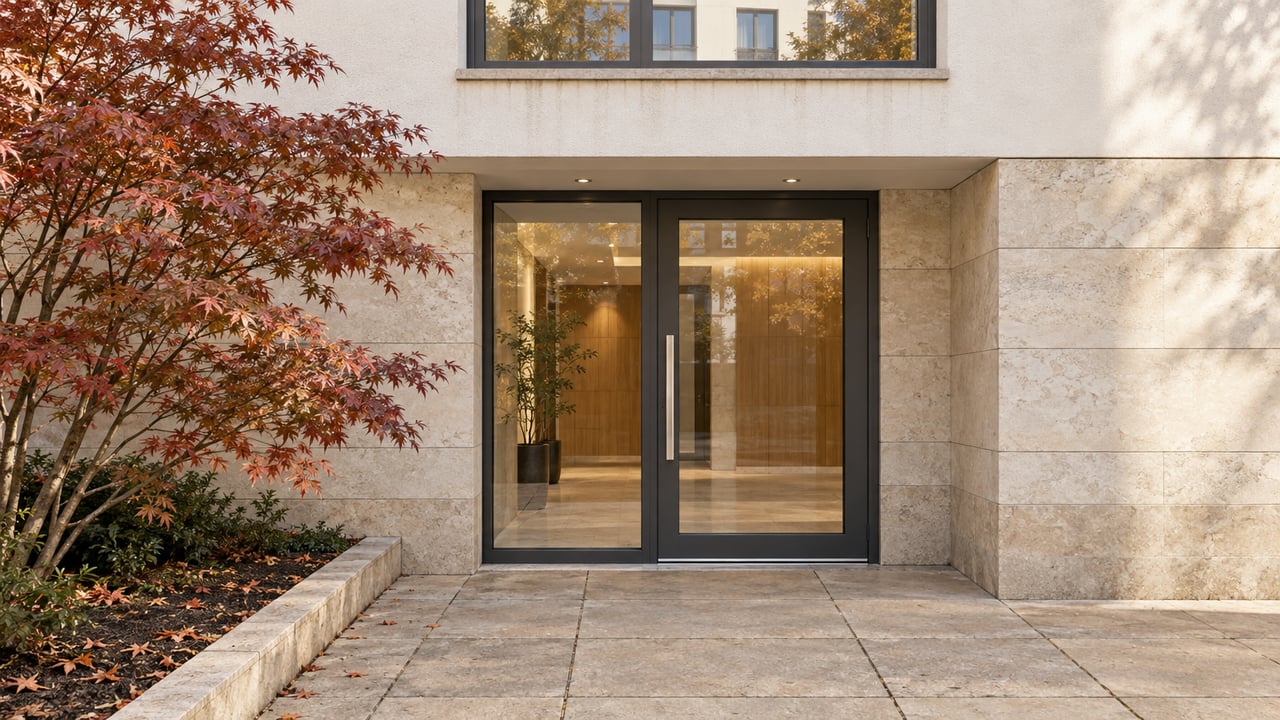
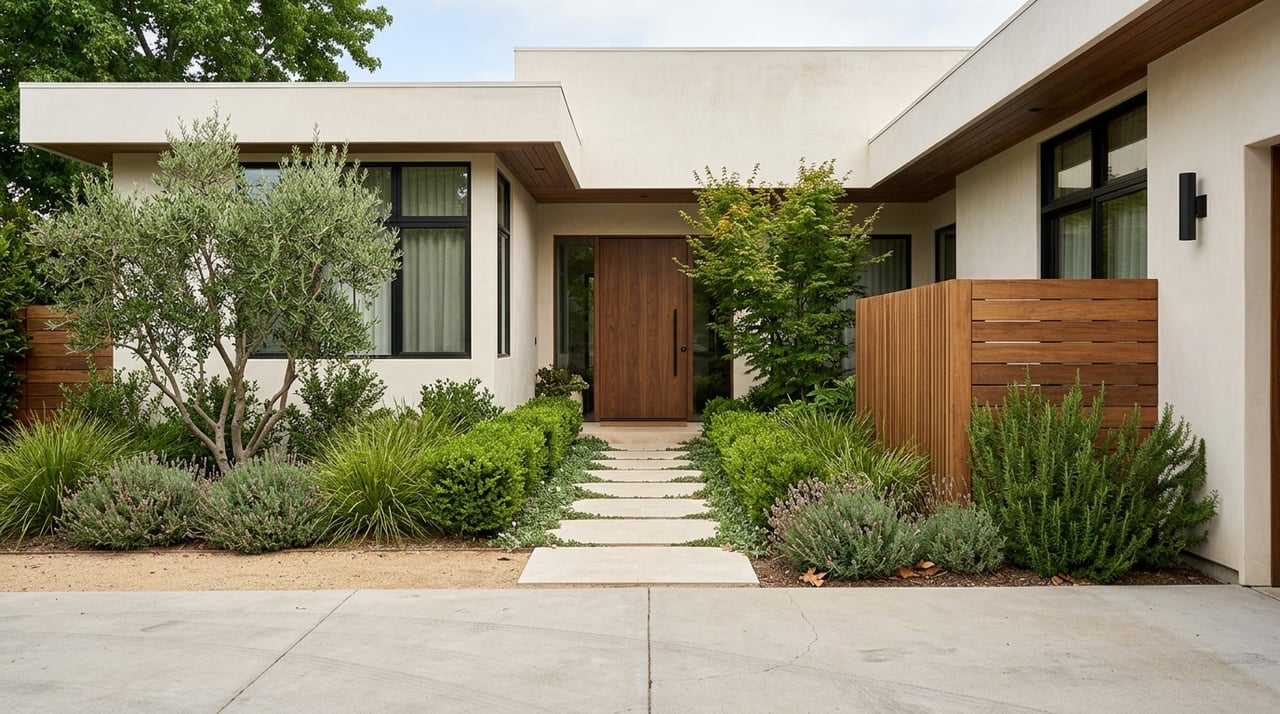
Luxury buyers often form an opinion before they walk through the front door. In Saratoga, that means your exterior should feel clean, cared for, and intentional.
This does not require a dramatic redesign. It usually means sharpening the elements that frame the home: entry approach, landscaping, hardscape, lighting, doors, and overall maintenance. When buyers see a polished exterior, they are more likely to trust that the rest of the property has been cared for as well.
NAR's 2025 staging report supports this approach. Sellers' agents most often recommended decluttering the home, whole-home cleaning, and improving curb appeal. That is a useful reminder that practical presentation work often delivers more value than expensive redesign.
Use selective staging, not over-staging
Not every Saratoga luxury listing needs every room fully staged. In fact, the research suggests a more targeted strategy is often the better use of budget.
According to NAR's 2025 report, 83% of buyers' agents said staging makes it easier for buyers to visualize a home as their future residence. The most important rooms to stage were the living room, primary bedroom, and dining room.
That supports a focused approach for higher-end homes. Instead of redesigning the entire property, prioritize the spaces that shape emotional response, photography, and flow.
Best staging targets for a Saratoga luxury home
- Living room
- Primary bedroom
- Dining room
- Main entry and foyer
- Key indoor-outdoor entertaining areas
The same report also noted that photos, videos, and virtual tours were important to buyers' agents. For a Saratoga luxury listing, strong media and selective staging usually go hand in hand. A median staging spend of $1,500 was reported by sellers' agents using professional staging services, which helps frame staging as a strategic tool rather than an automatic whole-house overhaul.
Declutter and clean with intention
Luxury presentation is often more about restraint than excess. A home can have beautiful architecture, strong scale, and excellent finishes, yet still feel less impressive if surfaces are crowded or rooms feel overfilled.
Decluttering and whole-home cleaning were the two most common recommendations in NAR's 2025 staging report, at 91% and 88% respectively. That makes sense in a market where buyers are paying close attention and expect a polished, move-in-ready feel.
As you prepare, aim to remove distractions, open up circulation, and make each room's purpose easy to understand. This is especially important in larger homes where extra rooms can feel ambiguous if they are overly personalized or packed with furniture.
Consider limited home-hardening upgrades
If your home is in Saratoga's Wildland Urban Interface, some sellers may also benefit from selective home-hardening improvements. CAL FIRE highlights Class A roof coverings, clean gutters, ember-resistant vents, double-pane tempered windows, and attention to decks, eaves, fences, and siding.
These are not cosmetic upgrades, but they can matter for buyer confidence, safety presentation, and marketability in the right location. Saratoga also notes a rebate program of up to $10,000 for qualifying WUI owners who install a Class A roof and multi-pane tempered glass windows.
The key is to stay disciplined. Focus on improvements that are relevant to your property and location, especially if they solve a real issue buyers are likely to notice or ask about.
A practical prep sequence for sellers
If you want a simple way to think about pre-listing work, use this order of operations.
1. Clear disclosure and permit issues
Start by organizing disclosures, permit history, repair records, and any required fire-zone documentation. This step protects the transaction and gives you a cleaner foundation for everything that follows.
2. Correct visible defects
Fix the issues that create hesitation. Deferred maintenance, worn finishes, and obvious exterior flaws can weaken buyer confidence fast.
3. Improve curb appeal
Polish the front-facing experience with landscape cleanup, exterior maintenance, and a refined entry sequence. In Saratoga, first impressions carry real weight.
4. Make landscaping wildfire-aware
If your property is in an affected area, align outdoor presentation with defensible-space and ember-resistant best practices. Attractive landscaping and risk reduction can work together.
5. Stage key rooms and invest in media
Target the most important interior spaces and support them with strong photography, video, and virtual tour assets. This is where thoughtful presentation can elevate the listing without overspending.
6. Remodel only with a clear reason
Large renovations should solve a specific functional gap or buyer objection. If they do not, they may add cost without improving your final outcome.
The Saratoga luxury seller mindset
The smartest way to prepare a Saratoga luxury home is not to spend the most. It is to spend with purpose.
In a market with a $4.25 million median sale price, fast average market time, and strong sale-to-list performance, your goal is not to reinvent the property. Your goal is to remove friction, strengthen buyer confidence, and present the home in a way that matches Saratoga's expectations.
That is where thoughtful planning makes the biggest difference. When you approach prep as a sequence of smart decisions instead of a blank-check renovation, you are more likely to protect value and go to market with confidence.
If you are getting ready to sell and want a practical, data-driven plan for your Saratoga property, Atef Ibrahim can help you evaluate where to invest, where to hold back, and how to position your home for the market.
FAQs
What should Saratoga luxury sellers do first before listing?
- Start with disclosures, permit history, repair records, and any required wildfire-related documentation before moving on to cosmetic improvements.
Are major remodels worth it before selling a Saratoga home?
- Usually, large remodels should only be considered if they solve a specific functional problem or clear buyer objection, because smaller visible improvements often show better return.
Does wildfire preparation matter for Saratoga home sales?
- Yes, especially for properties in Saratoga's western hillsides or other fire-prone areas where defensible-space rules and wildfire-aware maintenance may apply.
Which rooms matter most for staging a Saratoga luxury listing?
- The living room, primary bedroom, and dining room are the highest-priority spaces based on the staging research cited in this article.
Should sellers gather permit records before pre-listing repairs in Saratoga?
- Yes, Saratoga requires permits for many types of construction and repair work, so reviewing permit history early can help prevent delays or questions during the sale process.