Thinking about trading city buzz for space, trees, and a calmer pace without leaving Silicon Valley? If you want larger lots, a walkable village, and quick access to open space, Saratoga may fit your lifestyle. You also care about schools, commute time, and whether the price premium pencils out. In this guide, you will learn how Saratoga lives day to day, what the housing market looks like, how families navigate schools and services, and the tradeoffs to consider before you buy. Let’s dive in.
Saratoga at a glance
Saratoga sits on the western edge of Santa Clara Valley at the base of the Santa Cruz Mountains. With a population around 30,000, it feels smaller and more residential than many nearby Silicon Valley cities. The community skews toward long‑term homeowners, established professionals, and families.
Household incomes and home values are well above county and state averages. For a quick data snapshot, you can browse summary figures on the U.S. Census Bureau’s QuickFacts tool. Saratoga’s draw is clear: quiet streets, mature trees, and a strong reputation for public schools.
Neighborhoods and home types
Saratoga Village
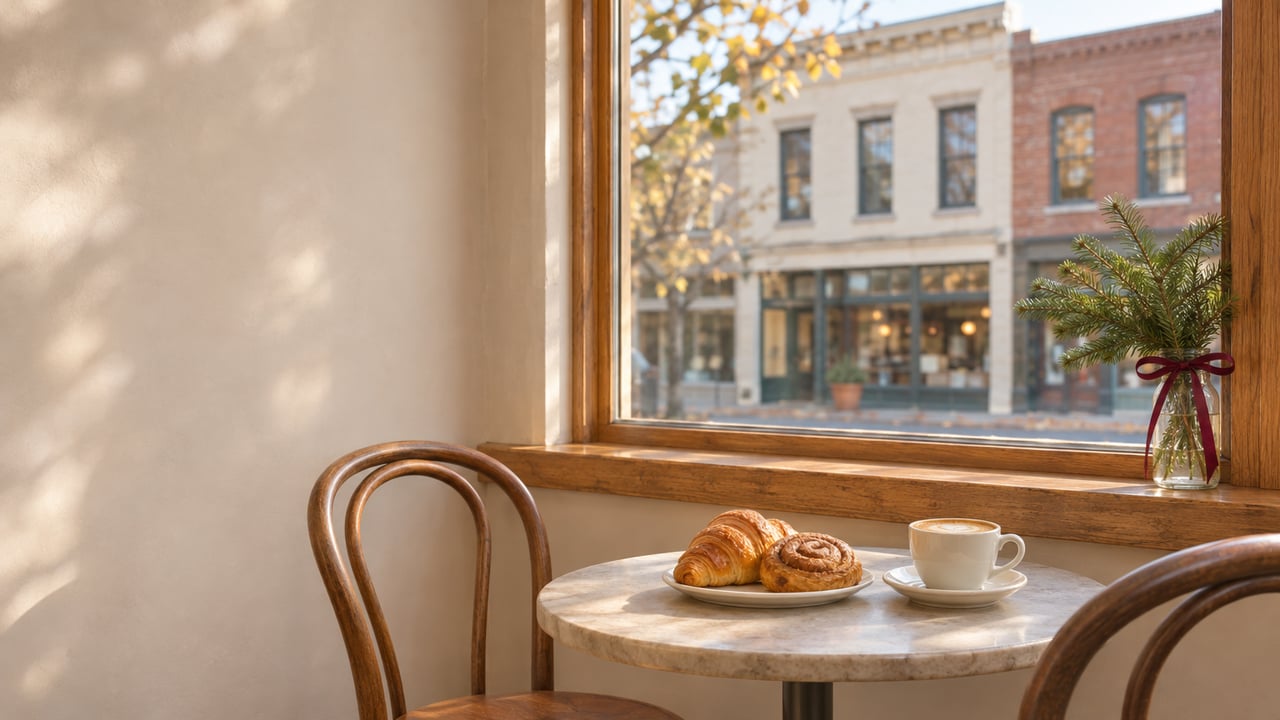
Saratoga Village along Big Basin Way is the city’s social hub. You will find boutiques, cafes, wine bars, and pocket parks in a compact, walkable strip. The vibe is low‑key and community oriented, especially on weekends.
Residential streets and lots
Most neighborhoods are single‑family homes on medium to large lots. Architecture ranges from mid‑century ranches to Tudor and craftsman‑era homes, plus modern remodels and new builds. Compared with denser cities, tree canopy and yard sizes are more generous.
Hillside and estate pockets
On the mountain side, estate areas offer larger parcels, views, and quick access to trailheads. These settings feel semi‑rural while keeping you within minutes of the Village.
Limited multifamily options
Apartment and condo choices are more limited than in Cupertino, Mountain View, or Santa Clara. Many newcomers target single‑family homes as their primary path into the city.
What homes cost and how the market works
Saratoga is one of the higher‑priced markets in Santa Clara County. Median sale prices for single‑family homes are typically in the multi‑million‑dollar range. Turnkey homes on quiet streets and properties within popular school zones tend to see strong competition. Larger lots or homes needing updates may attract buyers planning a remodel or full rebuild.
Under California Proposition 13, property taxes are roughly 1% of assessed value plus local parcel taxes and special assessments where applicable. Before you write an offer, review the parcel’s tax history with the Santa Clara County Assessor and the preliminary title report to understand any district‑specific levies.
If you plan to renovate or build, most of the city is zoned single‑family, with additional standards for hillside development and tree preservation. Check current permit requirements and timelines with the City of Saratoga’s Planning and Building resources.
- Reference parcel details: Santa Clara County Assessor
- Review city rules and permits: City of Saratoga
Schools and family life
Saratoga’s public schools have a strong reputation for performance across elementary, middle, and high school levels. Many families choose the city for its school pathways. Because district boundaries can vary by address, always verify school assignment for a specific property through the appropriate district and by consulting the California Department of Education’s School Dashboard and reputable third‑party resources.
Private and parochial schools are within driving distance in neighboring cities. Families also tap into community resources, including public library programs, parks, and youth activities. Childcare demand is high across the South Bay, so you may encounter waitlists for certain providers.
Commute and getting around
Most residents drive. Saratoga’s local streets connect to Highways 85 and 280, with Route 9 and 17 providing access to the coast and Santa Cruz Mountains. Many residents work in Cupertino, Mountain View, Sunnyvale, Santa Clara, Palo Alto, or downtown San Jose. Hybrid schedules remain common, which can ease weekly drive frequency.
Public transit is more limited than in denser cities. VTA bus routes serve portions of Saratoga, while light rail and Caltrain stations are in nearby cities. Many commuters drive to a Caltrain station or use employer shuttles where available.
- Plan bus options: Santa Clara Valley Transportation Authority
- Regional rail service: Caltrain
For air travel, San Jose Mineta is the closest major airport, with SFO and OAK reachable by car depending on traffic and flight needs.
Lifestyle, food, and culture
Village dining scene
Expect upscale‑casual dining with a focus on fresh, seasonal ingredients. Wine bars, cafes, and bakeries add to the relaxed, neighborhood feel. Farmers markets and seasonal events round out the calendar.
Cultural anchors
Saratoga punches above its weight on culture. Villa Montalvo hosts arts programs and performances in a historic setting. The Mountain Winery presents a well‑known concert series with valley views. Hakone Gardens offers a serene, Japanese‑style estate experience with year‑round programs and events.
- Events and programs: Villa Montalvo
- Concerts and venue details: The Mountain Winery
- Garden visits and programs: Hakone Gardens
Wine‑country edge and open space
Saratoga sits at the northern edge of the Santa Cruz Mountains AVA. While the city is not a major production hub, nearby mountain wineries and tasting rooms create a wine‑country ambiance on weekends.
If you love the outdoors, you have quick access to redwood groves, ridge trails, and picnic areas. Sanborn County Park is minutes away and connects to broader mountain preserves for hiking and mountain biking.
- Park maps and trail info: Santa Clara County Parks
Practical considerations
Safety
Saratoga is generally perceived as having lower crime rates than many urban Bay Area cities. For current statistics, consult the Santa Clara County Sheriff’s Office and city crime maps.
- Crime data and reports: Santa Clara County Sheriff’s Office
Utilities and internet
High‑speed internet is widely available. Service types can vary by street, so confirm providers and speeds for each address. Standard municipal and county vendors handle water, power, and waste services.
Local government focus
City priorities often center on land use, preservation of community character, open space, traffic calming, and school funding. If you plan to remodel or build, start early with planning research to understand any design review and tree protection rules.
Is Saratoga the right fit for you?
Here are the common tradeoffs buyers weigh:
- You value space, privacy, and a quieter setting versus a shorter commute and dense urban amenities.
- You want strong school pathways and a calm village center rather than a large downtown nightlife scene.
- You like weekend hiking, wine tasting, and backyard time more than city events every night.
- You are comfortable driving to transit or job centers, and you plan around peak‑hour traffic.
If this sounds like you, Saratoga’s lifestyle may be well aligned with your goals.
Smart buyer strategies
- Clarify your must‑haves. Lot size, privacy, and proximity to the Village often drive decisions.
- Verify schools by address. Use district resources and the California School Dashboard for current performance data.
- Budget for taxes and improvements. Under Prop 13, add local parcel taxes and any special assessments to your pro forma.
- Plan your commute. Test‑drive your route to employer locations and nearby Caltrain stations.
- Check the rules before you build. Review zoning, tree preservation, and hillside standards with the City of Saratoga.
- See the renovation upside. Older homes on larger lots may support thoughtful remodels or expansions that fit your long‑term plan.
Ready to explore Saratoga with a data‑driven advisor who understands both home and investment strategy? Connect with Atef Ibrahim to map your options, underwrite the tradeoffs, and execute a plan that builds long‑term wealth. Let’s Connect — Plan Your Real Estate Wealth Strategy.
FAQs
Is Saratoga, CA worth the price premium compared with nearby cities?
- Many buyers pay a premium for larger lots, a quieter environment, and strong school pathways; the tradeoff is more driving and less transit access than denser hubs.
How do Saratoga public school assignments work for a specific address?
- Boundaries can vary by street; confirm with the relevant districts and review performance data on the California School Dashboard before you make an offer.
What will my daily commute look like from Saratoga?
- Most residents drive to job centers via Highways 85 and 280; some drive to nearby Caltrain stations or use employer shuttles due to limited local transit.
How stable is resale demand in Saratoga?
- Demand tends to be steady for turnkey homes, popular school‑zone addresses, and larger lots; homes needing updates often appeal to buyers planning remodels.
Are there special rules for remodeling or building on hillside lots?
- Yes; Saratoga applies hillside and tree‑preservation standards. Review your plans with the City’s Planning and Building staff early in the process.
What family services should I expect in Saratoga?
- You will find library programs, parks, and youth activities; childcare supply can be tight, so plan ahead for waitlists and enrollment timelines.